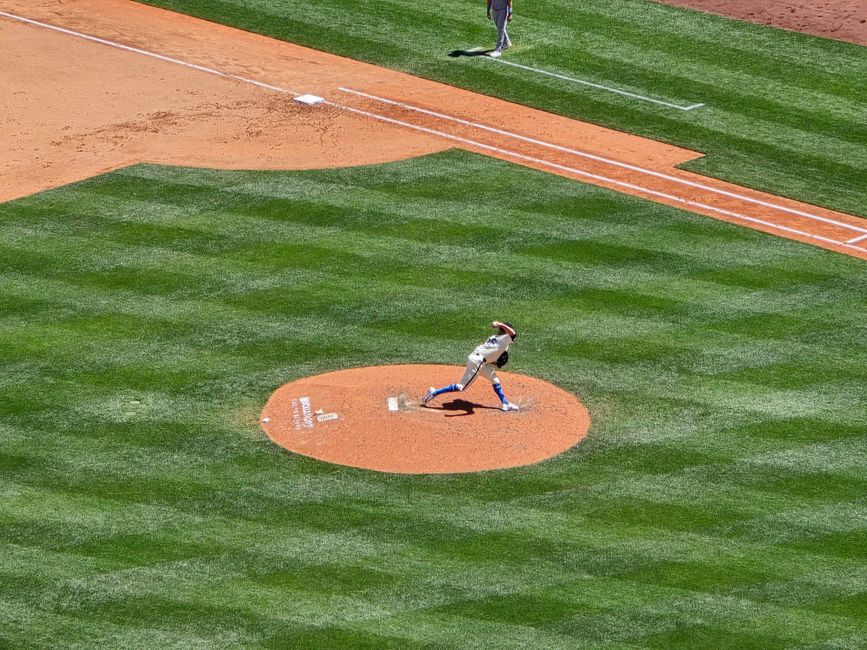
Dodger Stadium Weather Tonight: What Matters for Pitchers
When it comes to pitching at Dodger Stadium, understanding the nuances of the weather can offer significant insights into how the game might unfold. Tonight’s matchup offers an intriguing scenario—not just because of who’s on the mound, but because of the complex interplay between temperature, wind, and humidity that can directly affect pitcher performance. As Dodgers fans look forward to the evening, key factors surrounding the confirmed starter, pitch counts, and lineup construction will all be influenced by the prevailing conditions. Let’s break down the crucial weather elements to keep an eye on, while addressing common pregame misunderstandings and offering clarity on what truly matters for pitchers tonight.
Confirmed Starter vs. Probable Starter: Why It Matters Tonight
Before delving into how weather affects pitching dynamics, it’s essential to clarify who is expected to take the mound. MLB.com's latest update confirms the Dodgers' confirmed starter for tonight’s game. This differs from the probable starter discussions often floating around — a common mistake many fans and analysts make is banking too heavily on "probable" starters rather than the confirmed arms announced closer to game time.
For instance, Shohei Ohtani, who MLB.com reports is expected back in the lineup on September 23, is influencing lineup decisions that indirectly shape how the Dodgers manage their pitching staff starting tonight. While his return injects offensive firepower, it also means pitchers tonight could be challenged differently depending on lineup construction and rest days for key bullpen arms.
Why Starter Confirmation Impacts Strategy:
- Workload Management: The confirmed starter tonight may have a known recent workload reflected in available pitch count data, allowing coaches to predict how long he can last.
- Matchup Planning: Managing platoon splits and handedness becomes more precise once you confirm the actual starter instead of relying on probable starters who might affect game flow differently.
- Temperature and Grip Preparation: Knowing the starter confirms which pitcher’s grip challenges the coaching staff prepares for in expected weather conditions.
Starter Workload and Pitch Count Context
Pitch count is one of the most pivotal things to watch before and during tonight’s game. In the current MLB environment, with heightened awareness about pitcher health and longevity, teams closely monitor pitch counts to avoid overuse and injury risk. The Dodgers have been especially cautious this season, reflected in their bullpen usage patterns and how their starter handoffs are timed.
Consider that if tonight’s starter completed a non-excessive pitch count last outing—say around 90 pitches—and enjoyed a comfortable rest period, tonight’s workload might approach 100-110 pitches if the weather conditions allow for efficient pitching. However, if the temperature or humidity make gripping the baseball difficult, pitch command may suffer, artificially inflating pitch counts through more walks or deeper at-bats.
Sample Starter Workload Context Last Outing Pitch Count Days Rest Expected Tonight Workload Weather Impact Risk 88 pitches 5 days 100-110 pitches Medium (temp 68°F, moderate humidity) 95 pitches 4 days 80-90 pitches (short leash) High (wind gusts, dry air)Lineup Construction, Rest Days, and Platoon Splits
Tonight’s pitching strategy doesn't exist in isolation. The Dodgers’ lineup construction, particularly with Shohei Ohtani approaching his return, influences how pitching plans are formulated. The coaching staff carefully considers days off for pitchers and key position players, ensuring balanced rest that maintains competitive consistency.
Additionally, platoon splits and handedness are indispensable when predicting how a certain pitcher might fare, especially when factoring in Dodger Stadium’s subtle weather variations.
Platoon Splits and Handedness: A Quick Primer
- Right vs. Left Handed Batters: Pitchers often perform better or worse depending on batter handedness; right-handed starters fare better against right-handed hitters and vice versa.
- Weather Amplifies These Effects: For example, cooler temperatures may slow down the breaking ball movement, reducing advantage against opposite-handed hitters.
Dodger Stadium’s lineups often shift based on these splits, affecting the pitcher’s approach and resulting pitch selection. Managers are currently leveraging real-time data from tools like Oddstrader for offshore real-time odds to understand how starting pitchers will fare against expected hitting lineups once confirmed, though these tools do not replace objective performance context, especially around weather factors.
Temperature and Grip: The Foundation of Pitching Control
Temperature stands as the cornerstone environmental factor for pitchers’ control and comfort. Warmer temps usually mean better grip on the baseball, allowing pitchers to get optimal spin and movement. Conversely, cooler weather, typical of evening games later in the season at Dodger Stadium, can reduce grip quality, causing more slipping issues, decreased velocity, and diminished pitch command.
Tonight, the forecast for Dodger Stadium suggests a steady temperature around 65-68°F. This moderate temp means pitchers will need to be vigilant about their grip, especially for breaking balls. Pitchers often rely on rosin bags, but the efficacy of rosin-interaction with sweat is sensitive to temperature variations, so the staff’s attention to continuous warming and grip-enhancing preparations are crucial.
Wind Direction: More Than Just a Foul Weather Factor
Wind at Dodger Stadium isn’t something to overlook. A strong outfield-to-home wind can suppress ball travel, effectively helping pitchers keep balls from going over the fence. Conversely, wind blowing from behind the plate can carry fly balls deeper, challenging pitchers’ ability to keep the ball in play.
Tonight's wind is forecasted to blow modestly from right field toward left center, roughly 8-10 mph. This crosswind direction means pitchers with strong fly ball tendencies should be cautious, as balls could carry unpredictably. Furthermore, blake snell groin tightness side winds can complicate the pitcher’s release consistency and may impact pitch movement, particularly for curveballs and sliders.
Humidity Effects: Subtle but Significant
Humidity at Dodger Stadium tends to be low, particularly in the dry Los Angeles climate. Yet, even small changes matter. Lower humidity causes the ball to dry quicker, creating a slick surface that challenges pitchers’ grip consistency.
For tonight’s game, humidity levels are expected around 40-45%, moderately low. This environment favors pitchers who maintain steady mid-90s velocity or rely on fastball command rather than heavy movement. The coaching staff must remind pitchers to keep their fingers dry and plan for subtle grip adjustments potentially affecting late movement on breaking pitches.
Addressing Common Mistakes: No Ticket Prices or Betting Lines Here
While tools like Oddstrader provide real-time offshore odds valuable for bettors and analysts watching in-play trendlines, it’s critical to clarify this blog post does not present any ticket prices, betting lines, or product pricing scraped from sources. The information shared is focused entirely on the baseball and meteorological factors affecting tonight's pitching matchup.
Many fans mistakenly expect pregame write-ups to blend line odds with analysis — but separating pricing from performance context helps keep the focus purely on the game. If you are interested in in-play betting, please consult verified sources or dedicated odds platforms post-game announcement.
Summary: What Dodgers Fans Should Watch for Pitching Tonight
- Confirmed Starter: Focus on the announced pitcher and his recent pitch counts and rest days to gauge expected durability.
- Temperature: Expect moderate temperatures that make grip tricky but manageable with proper preparation.
- Wind Direction: Monitor the right field to left center crosswinds that could impact fly ball carries and pitch movement.
- Humidity: Low to mid-range humidity favors pitchers relying more on control than movement.
- Lineup and Matchups: Factor in how lineup shifts with Ohtani's impending return and platoon splits to anticipate pitcher strategy adjustments.
By keeping these environmental and strategic factors top of mind, Dodgers fans and analysts alike can better appreciate how tonight’s pitching duel may unfold at Dodger Stadium under these specific weather conditions.